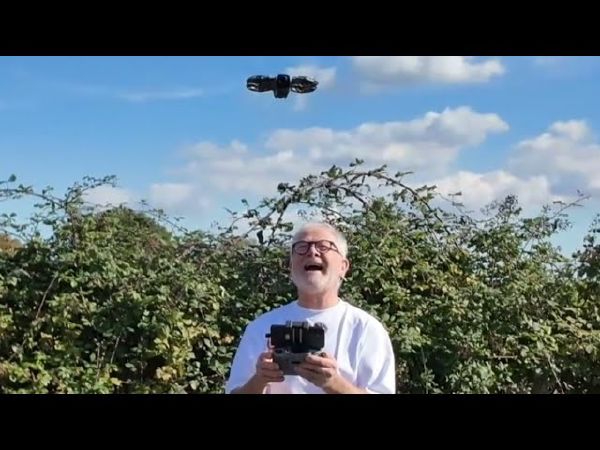
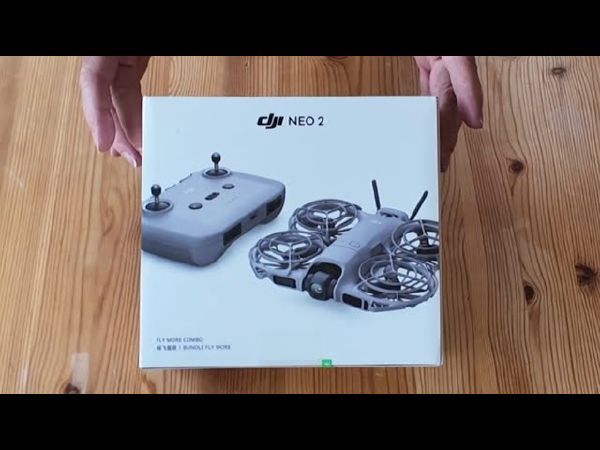
Having registered to get my Operator ID, taken the test to obtain my Flyer ID, and learned the basics of take-off and landing, it’s time for me to practice a few basic maneuvers using the RC-N3 remote controller that came with my DJI Neo 2 Fly More combo.
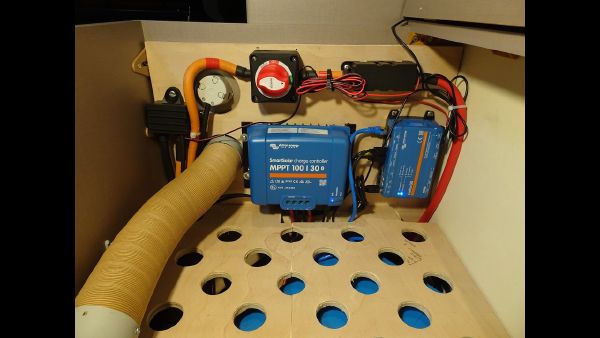
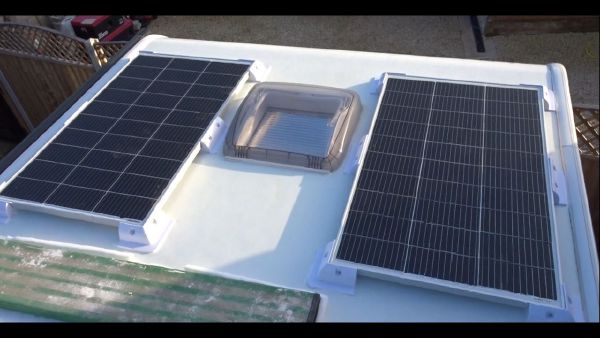
Sizing an appropriate MPPT Solar Charge Controller, finding somewhere convenient to mount it close to the leisure battery, and then the nightmare of trying to route cables through the inside of the van.
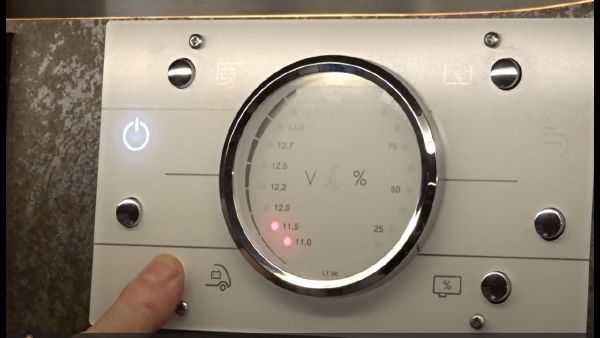
Checking the battery levels in the van I notice that the engine battery voltage is very low, especially given the fact that I’d installed a Battery Master specifically to ensure it is trickle-charged.
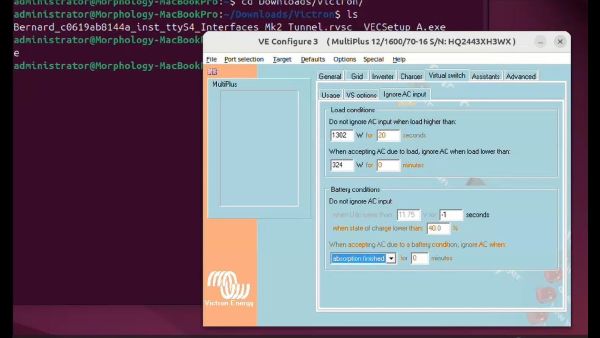
If the AC Mains input of a Victron Multiplus-II is live, then by default the Multiplus will use the incoming mains to supply any AC load and to maintain a connected battery at 100% State of Charge, thereby not making full use of any available solar input.
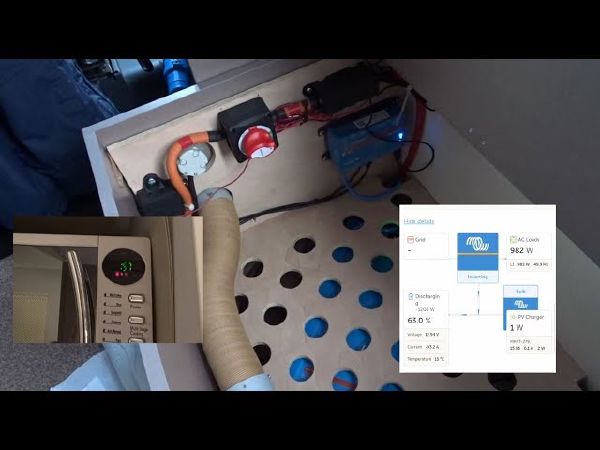
We’re just back from a 4 week trip away in the van, which gave me a good opportunity to test how well the new 230Ah LiFePo4 battery performed, along with the MultiPlus 12/1600/75 inverter/charger.
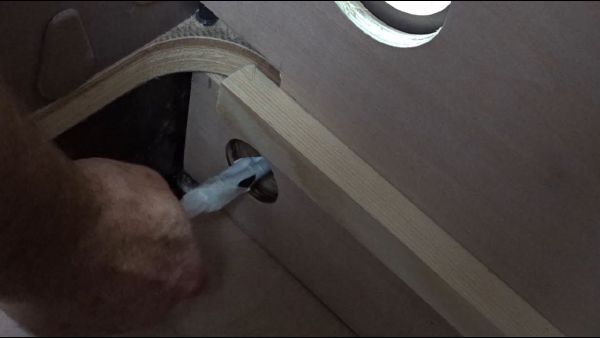
Time to run some cables - I’ve various cables I need to run from beneath the bench seat back to both the driver and passenger seats, but drilling through the base of the underseat locker is scary!
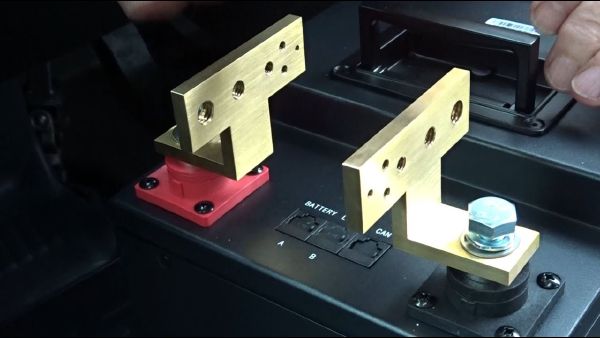
In addition to the new heavy duty connections to the MultiPlus inverter-charger, I also need to re-connect the existing cables from the Elecktoblock etc. The problem is that the new Fogstar battery has M10 pilars, and Fogstar only supply short 15mm bolts, so I need some sort of…